BY GLASGOW COSMIC EDITORIAL
How T20 reshaped cricket in twenty years and why Europe is its next frontier — the leagues, the money, and where the ETPL and Glasgow Cosmic fit.
T20 cricket is barely 20 years old, and it's already reshaped the sport more than any format change in a century. Europe, outside England, has been almost entirely absent from that story until now.
Where T20 actually came from
The format was created by the England and Wales Cricket Board in 2003, a deliberate attempt to make cricket faster and more accessible after years of declining attendance at longer formats. It worked. The first men's T20 international was played in 2005, and by 2007 the ICC was running a standalone T20 World Cup.
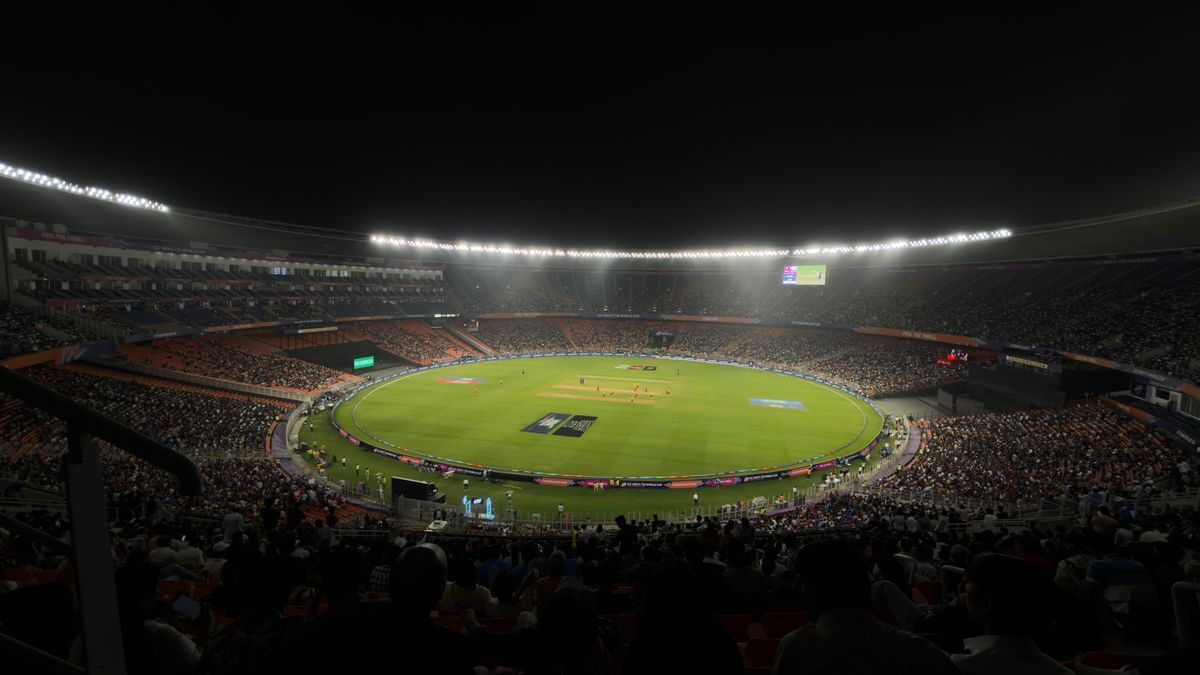
The format's real explosion came from India. The IPL launched in 2008 and turned T20 cricket into a genuine commercial and cultural institution, built around city-based franchises, global broadcast deals, and the world's best players sharing a dressing room for two months a year. Australia's Big Bash followed in 2011, England's own Hundred arrived in 2021. Every major cricket-playing nation eventually built a domestic T20 league around its national board.
The gap Europe never filled
Here's what didn't happen anywhere else in Europe: no equivalent league ever emerged in Scotland, Ireland, or the Netherlands, despite all three being recognized cricket nations with their own national teams and ICC status. Scotland became an ICC Associate Member in 1994. Ireland has been a Full Member since 2017. The Netherlands has fielded a national side for decades. None of it came with a professional domestic T20 league.
The reason wasn't a lack of cricketing history, Scotland's game dates back to 1785, and Glasgow's own West of Scotland Cricket Club hosted the first Australian touring side to play in Scotland back in 1878. The reason was scale: no single one of these countries had the playing population or broadcast market to support a domestic league on its own, the way India, Australia, or England could.
The three-nation solution
The ETPL's answer, launching its first season in 2026, is to stop trying to build three separate national leagues and instead build one league across three boards: Cricket Scotland, Cricket Ireland, and the Royal Dutch Cricket Association. Six franchises compete, Glasgow Cosmic and Edinburgh Castle Rockers from Scotland, Dublin Guardians and Belfast Wolves from Ireland, Amsterdam Flames and a Rotterdam-based side from the Netherlands, pooling three national cricket markets into one competition big enough to attract real international talent.
It's a structurally different model from every other major T20 league, closer to a continental club competition than a single country's domestic tournament. Whether that model works long-term is still an open question. But it's the first real attempt to close the gap that's existed since the format was invented.
What Glasgow Cosmic's role in this actually is
Glasgow Cosmic isn't just one franchise in a new league. It's the vehicle for closing a 20-year gap in Scottish cricket specifically, giving a country with genuine cricketing history and a competitive national team its first professional domestic side. The club's roster, co-owned and coached by Matthew Hayden, built around international power-hitters and Scotland's own Richie Berrington and George Munsey, is Scotland's opening move in a format the rest of the cricket world adopted years ago.
Glasgow Cosmic's first ETPL season starts 26 August 2026. [Follow fixtures and squad news →]
Frequently Asked Questions
When was T20 cricket invented?
The format was created by the England and Wales Cricket Board in 2003. The first T20 international was played in 2005.
When did the IPL start?
2008. It remains the largest and most commercially significant T20 league in the world.
Why didn't Europe have a T20 league before the ETPL?
No single European cricket nation outside England had the playing population or broadcast market to sustain a domestic T20 league alone. The ETPL solves this by combining three national boards, Scotland, Ireland, and the Netherlands, into one competition.
What makes the ETPL different from other T20 leagues?
It's the first top-tier T20 league organized jointly across three separate national cricket boards, rather than one country's board running a single domestic competition.